
RM19.45B
Procurement Value
Strategic procurement projects contributing to national development and long-term value creation.

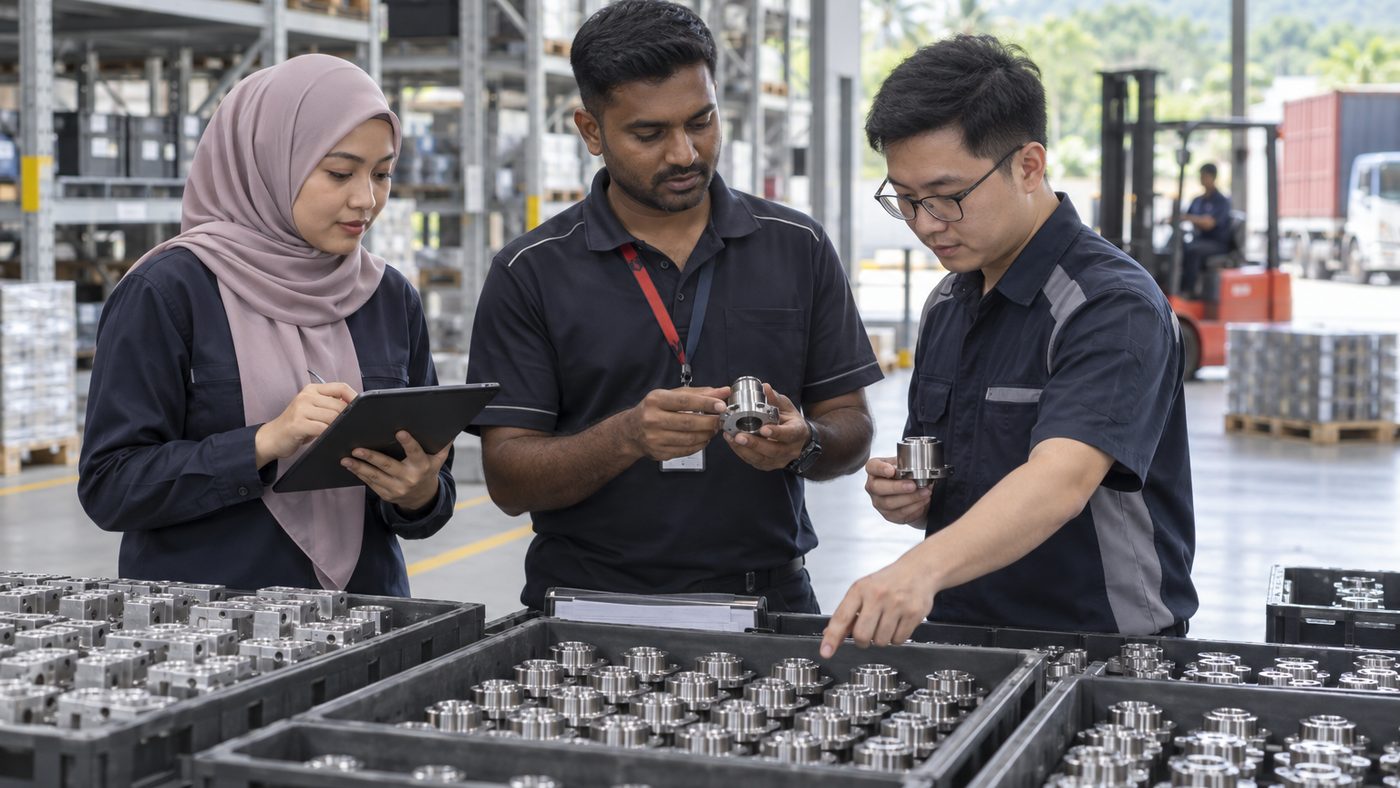
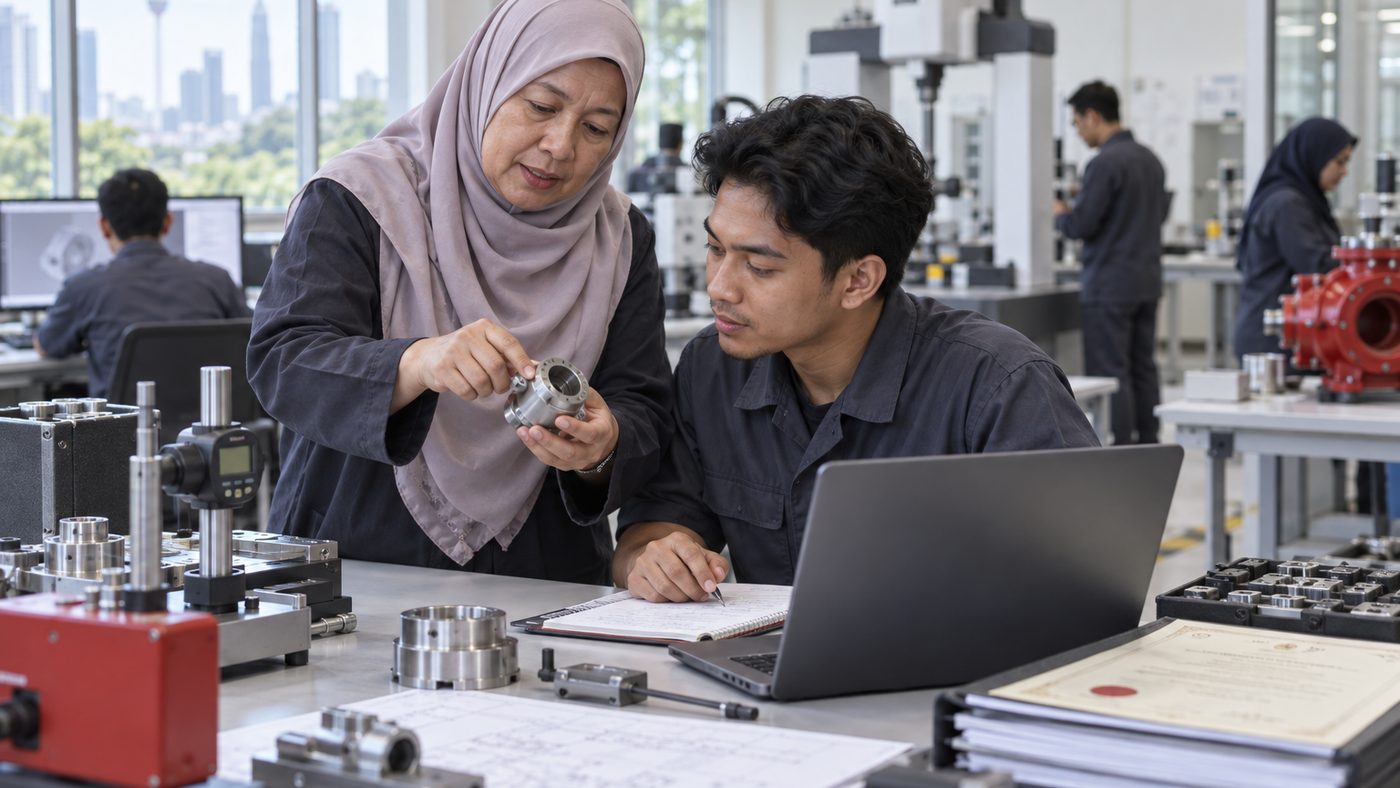
The Industrial Collaboration Programme (ICP) helps Malaysia create long-term value from strategic government procurements. Through ICP, investments are leveraged to strengthen local industries, encourage technology transfer, develop skilled talent and create opportunities for Malaysian companies to participate in high-value sectors.
Behind every successful ICP project is a story of collaboration, innovation and capability building. Through partnerships with global industry leaders and local organisations, ICP helps create opportunities that strengthen Malaysia's expertise, enhance industrial capabilities and support sustainable development.
Discover how these initiatives have delivered measurable benefits, empowered local talent and contributed to a stronger, more resilient future for Malaysia.



The Industrial Collaboration Programme (ICP) helps Malaysia create long-term value from strategic government procurements. Through ICP, investments are leveraged to strengthen local industries, encourage technology transfer, develop skilled talent and create opportunities for Malaysian companies to participate in high-value sectors.
By connecting global expertise with local capabilities, ICP supports industry growth, innovation and sustainable economic development for the nation.
As of September 2026
RM19.45B
Strategic procurement projects contributing to national development and long-term value creation.
RM61.15B
Value generated through Industrial Collaboration Programme initiatives, supporting technology transfer, industry participation and capability development.
18
Government agencies across Malaysia have partnered through ICP initiatives to create broader economic and industrial benefits.
134
A growing portfolio of collaborative initiatives designed to strengthen local expertise, innovation and economic competitiveness.
National Objectives
Every strategic investment presents an opportunity to create lasting value for Malaysia. Through the Industrial Collaboration Programme (ICP), government procurement becomes a catalyst for technology transfer, talent development, industry growth and innovation. By strengthening local capabilities and fostering meaningful collaborations, ICP helps build a more competitive, resilient and future-ready nation.
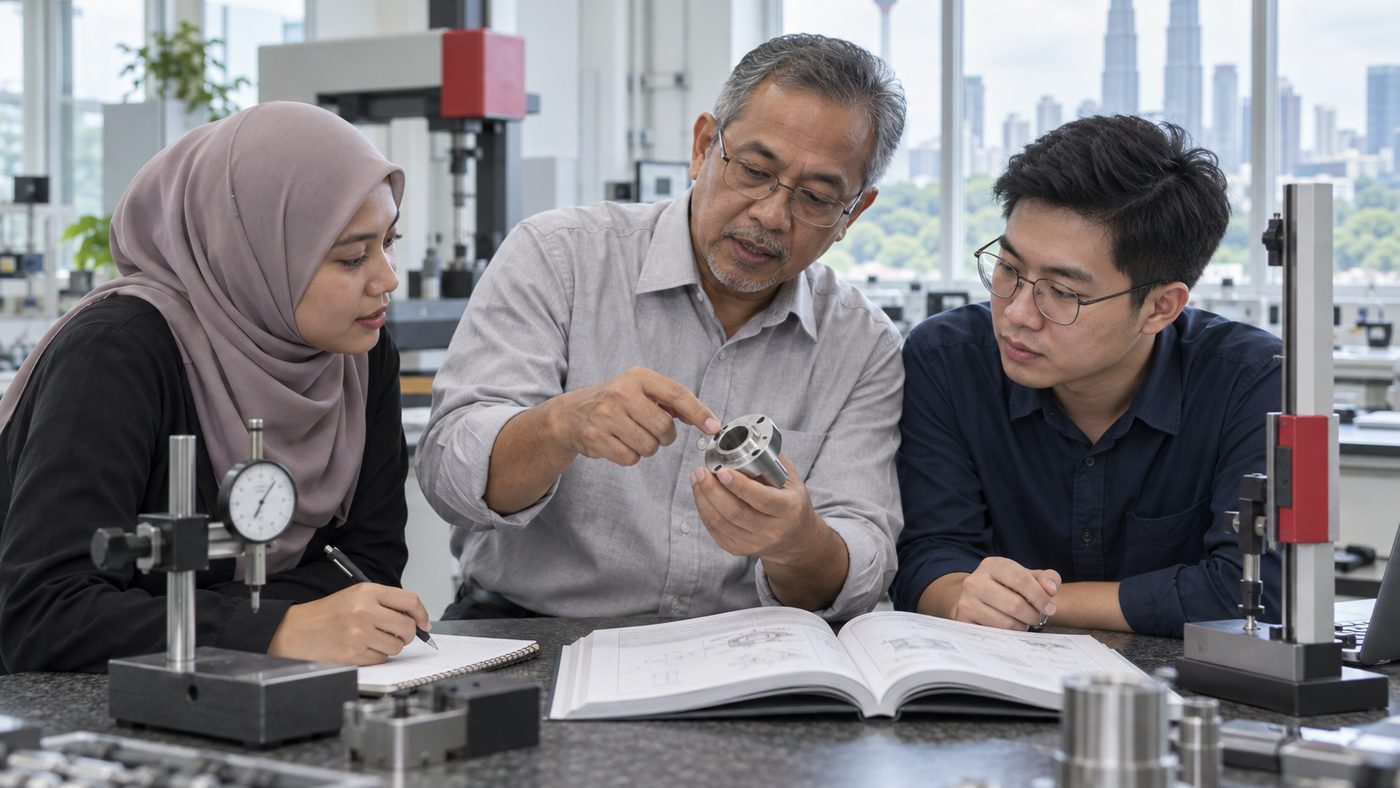
ICP supports the transfer of technology, expertise and specialised knowledge to Malaysian organisations and institutions. By strengthening research, innovation and talent development, the programme helps build a more competitive, innovation-driven economy.
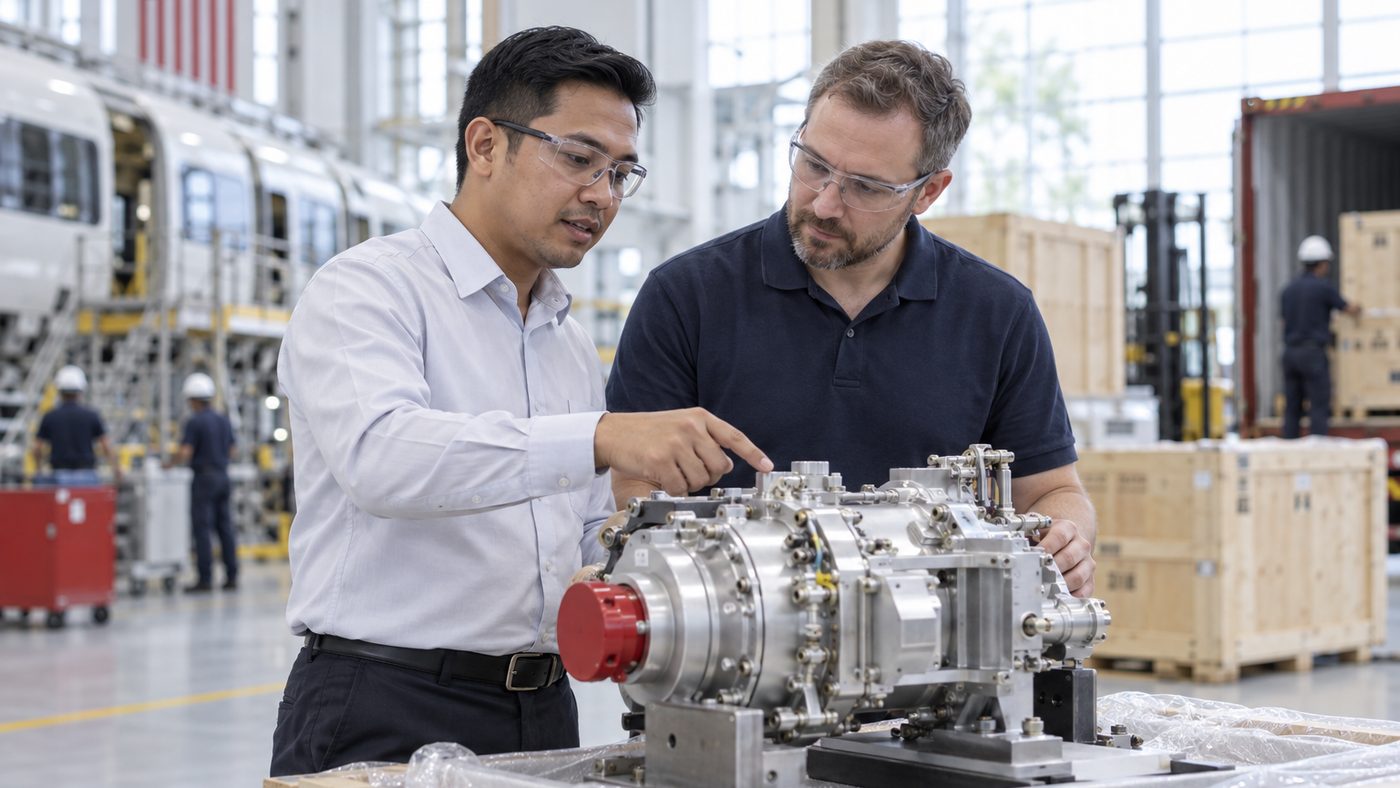
By connecting Malaysian companies with international industry leaders and global supply chains, ICP helps local businesses gain access to new markets, technologies and opportunities, enabling them to compete more effectively on the world stage.
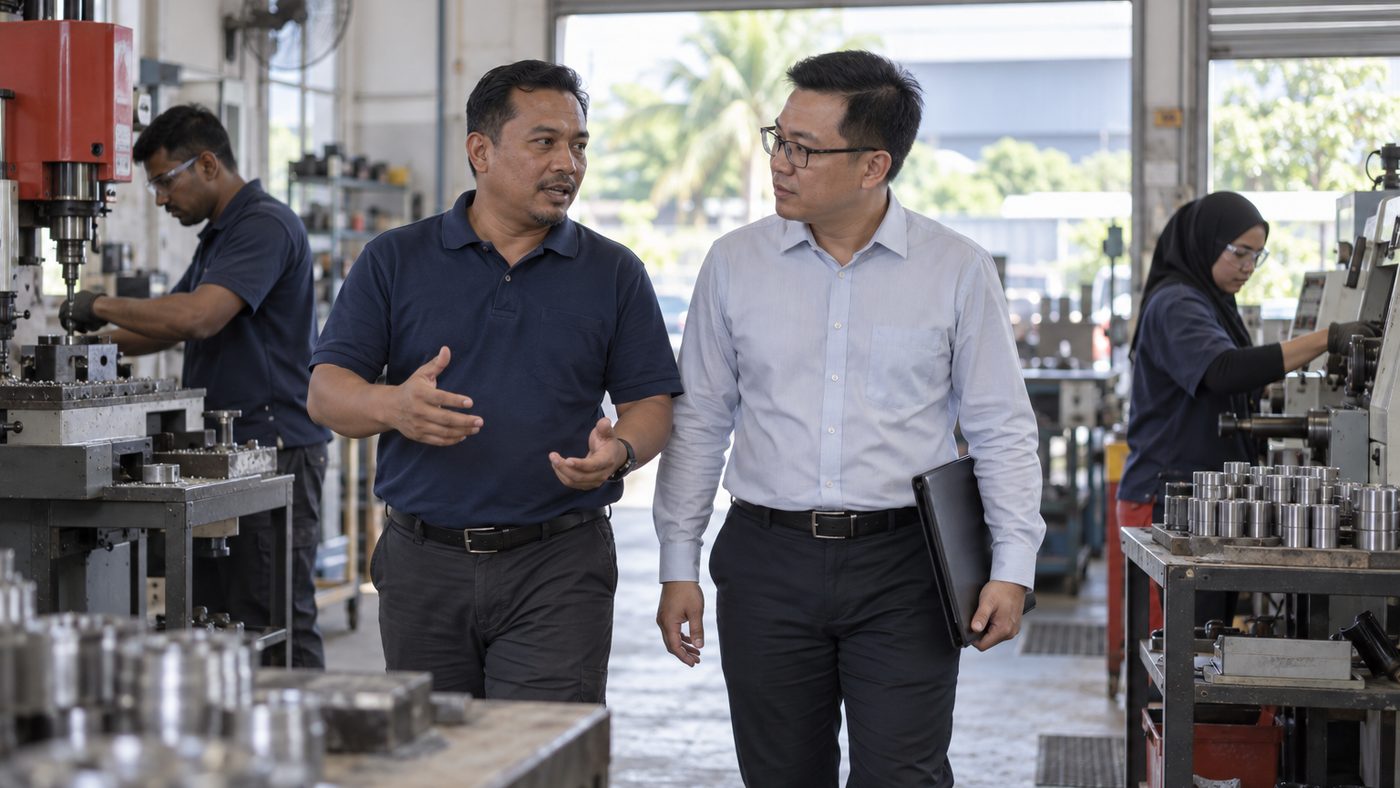
ICP ensures that the benefits of major government procurements are shared across local industries. Through initiatives such as the Economic Enhancement Programme (EEP), more Malaysian companies can participate, grow and contribute to the national economy.
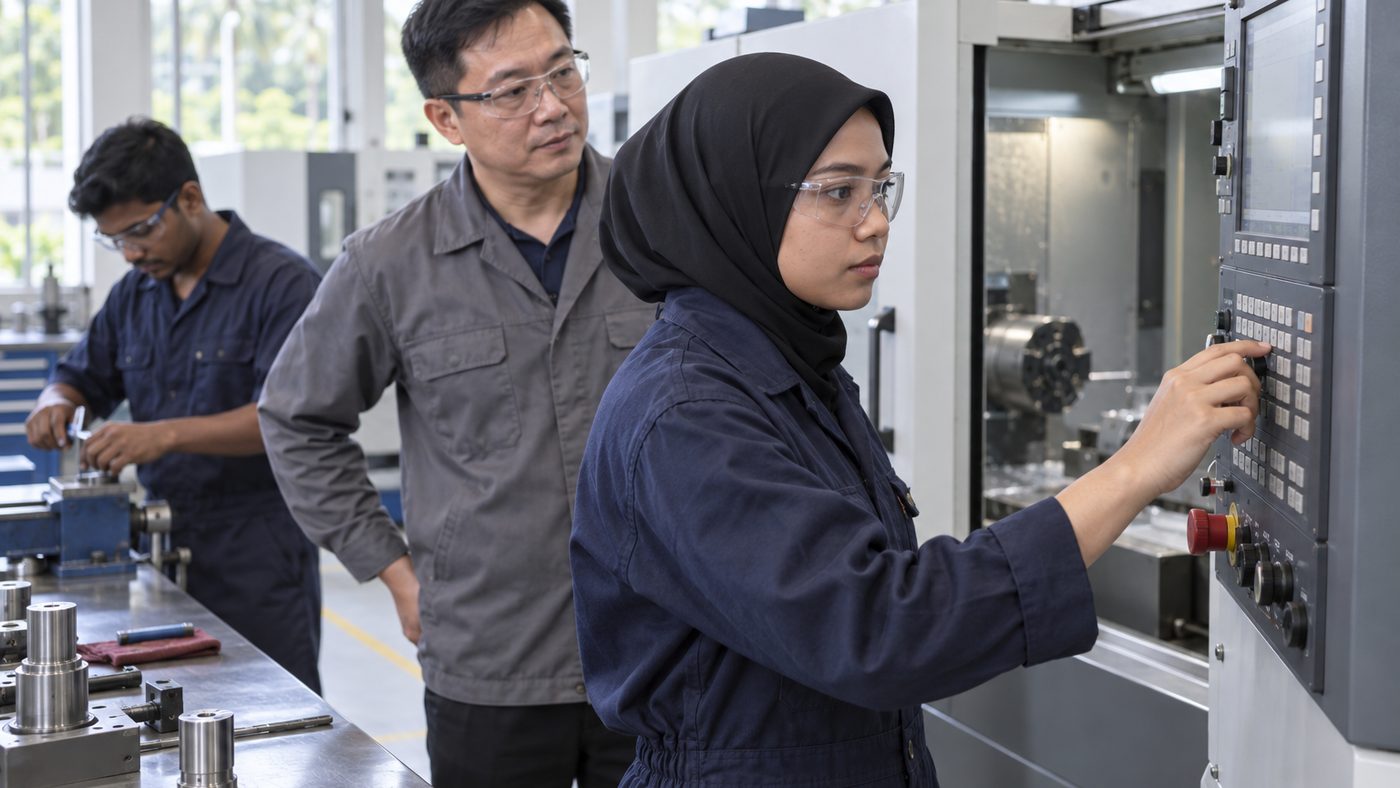
By creating opportunities in manufacturing, services, technology and research, ICP helps stimulate economic activity, support local businesses and create quality employment opportunities for Malaysians.
ICP helps Malaysian companies become part of global industry ecosystems by strengthening their capabilities and qualifying them to participate in international supply chains. This enables continued business opportunities beyond a single project or contract.
The knowledge, skills, technologies and certifications acquired through ICP remain in Malaysia, helping organisations, institutions and industries continue to grow, innovate and create value for future generations.
Every ICP initiative follows a structured and transparent framework designed to maximise the value of government procurement. Through careful planning, collaboration, implementation and verification, ICP transforms strategic investments into sustainable benefits that strengthen industries, develop talent, foster innovation and build national capabilities for Malaysia.
The Industrial Collaboration Programme (ICP) operates through a structured governance framework that ensures accountability, transparency and effective programme delivery. Through coordinated oversight at multiple levels, ICP initiatives are carefully evaluated, monitored and verified to ensure they create meaningful and lasting value for Malaysia.
For more than four decades, Malaysia has leveraged strategic government procurement as a catalyst for economic growth, technology advancement and capability development. The Industrial Collaboration Programme (ICP) is the result of this evolution, transforming procurement opportunities into long-term benefits that strengthen industries, develop talent and create sustainable national value.
Malaysia introduced the Countertrade Programme to ensure that major procurements generated additional benefits for the country. The programme focused on securing technology transfer opportunities and encouraging local participation alongside procurement activities.
The programme evolved to place greater emphasis on technology transfer and industrial development, particularly within strategic sectors. This phase helped strengthen local capabilities and encouraged greater participation by Malaysian organisations.
The framework expanded to support broader economic and industrial objectives. Managed under the Malaysia Industry-Government Group for High Technology (MIGHT), the programme facilitated collaboration between government and industry while promoting technology and capability development.
The framework became ICP, extending beyond traditional offset principles into a wider range of collaborative activities across sustainable industrial development, technology transfer and knowledge sharing.
ICP is delivered through close collaboration with ministries, government agencies, statutory bodies and national institutions across Malaysia. These partnerships play an important role in strengthening local capabilities, supporting innovation and creating sustainable benefits for the nation
 Kementerian Kesihatan Malaysia
 Kementerian Pertahanan (MINDEF)
 Jabatan Perdana Menteri
 Kementerian Komunikasi
 Kementerian Perumahan dan Kerajaan Tempatan
 Jabatan Kastam Diraja Malaysia
 Agensi Penguatkuasaan Maritim Malaysia
 Civil Aviation Authority of Malaysia
 Pasukan Gerakan Udara, Polis Diraja Malaysia
 MRT Corp
 Prasarana Malaysia
 Universiti Kuala Lumpur
 Alstom
 Siemens
 Volvo
Volvo
 CRRC Zhuzhou Locomotive
 Hyundai Rotem
 Meiden
 SMH Rail
 Galaxy Aerospace
 Truckquip
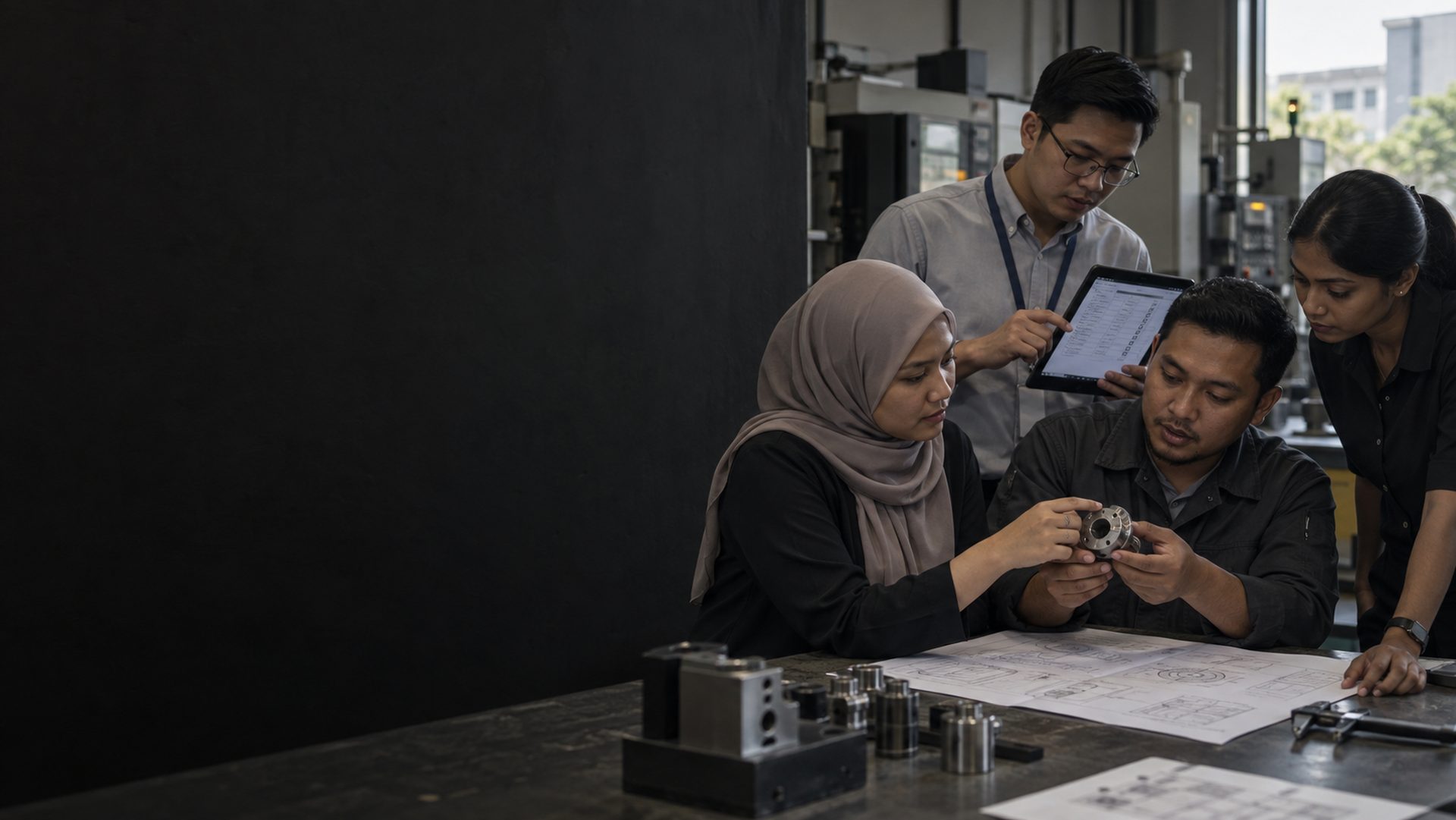
Whether you are planning a procurement project, exploring ICP requirements or seeking guidance on programme implementation, our team is here to help.
Start Your ICP JourneyWe work closely with agencies, industry partners and programme providers to support programme planning, proposal evaluation, implementation requirements and compliance with ICP guidelines.
Together, we help transform strategic investments into meaningful outcomes that strengthen local capabilities, support innovation and create lasting value for Malaysia.